
IDP
International Development Program (IDP)
Two MA Tracks in International Development and Economics with Quantitative Policy Training
The International Development Program (IDP) offers two 2-year MA degrees: International Development (ID) and Economics (ECO). Students are required to complete coursework (at least 40 credits) and write a thesis or research report using a quantitative approach.
The ID track offers various development-related courses in economics, regional science, and related fields. Throughout the coursework, students learn how to evaluate current policies and design more effective policies to encourage economic growth and social development for developing countries. The ECO track puts emphasis on modern economic theories and their applications. Students learn applied macroeconomics comprising fiscal policy and international finance as well as empirical microeconomics including labor, health, and environmental issues to understand and analyze current issues. Both degree tracks aim to equip students with advanced knowledge and skills so that they will tackle and overcome the problems they are facing as new leaders in both public and private sectors.
Policy Relevance
Our program provides rigorous training in economics and quantitative analysis. Additionally, we offer many courses which are directly policy relevant.
Frontier Knowledge
Our faculty have published in leading journals in economics such as: The American Economic Review, Journal of Economic Theory, European Economic Review, among others. We teach our students frontier economics.
Proven Track Record
The IDP program at IUJ is well-known for providing rigorous training. Our students have obtained high level positions in the public and private sectors.
Message from the Program Director
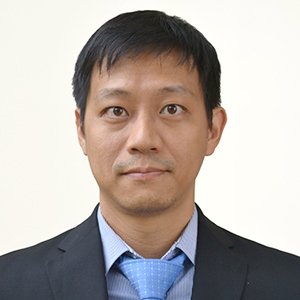
Associate Professor
Rigorous Training in Economics and Quantitative Methods for Development Policy Analysis
The International Development Program at IUJ provides rigorous training in economics and quantitative methods. This allows students to analyze the complex issues facing developing countries in a systematic way.
Students learn how to address pressing policy related issues using state of the art economics and analytical methods. In addition to theoretical knowledge, students also learn how to solve practical issues facing analysts, practitioners, managers, and policymakers. This allows our graduates to aid policymaking—at multiple levels—in the developing world.